
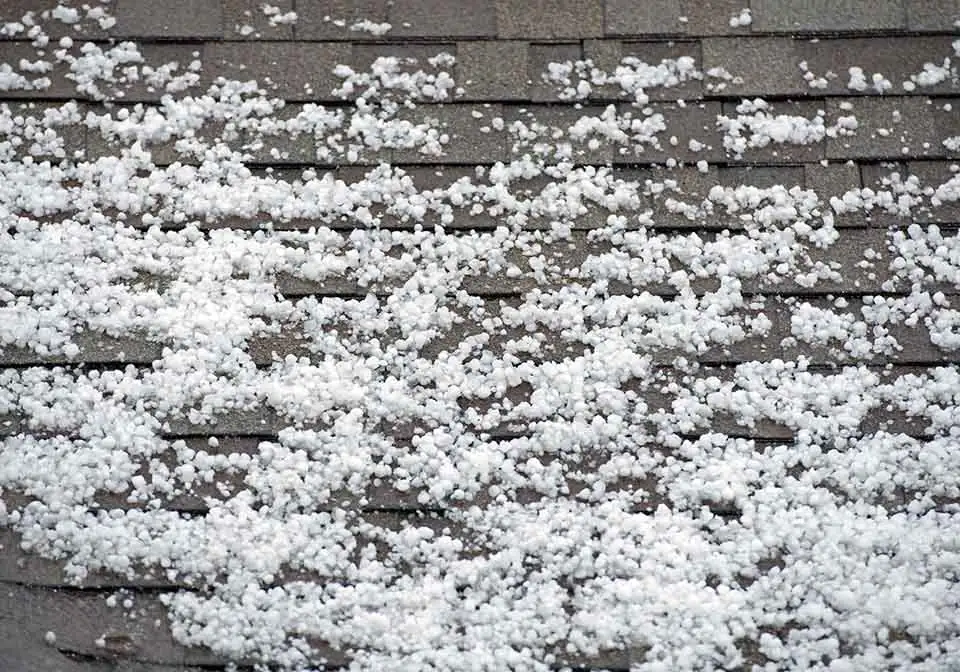
Spring storms in Southeast Michigan are not subtle. Between heavy rain, high winds, and sudden temperature swings, your roof takes the hit first. If there are weak spots, spring is when they show up fast.
A lot of homeowners don’t realize there’s a problem until water is already getting in. By then, what could have been a simple roof repair turns into something more expensive. The good news is that most issues give off early warning signs. You just need to know what to look for.
Here are seven signs your roof may not be ready for Michigan’s storm season.
1. Missing or Damaged Shingles
Take a look at your roof from the ground. If you notice shingles that are missing, curling, or cracked, that’s a problem.
Shingles are your first layer of defense against water. When they are compromised, rain can work its way underneath and into your home. Michigan winters are especially hard on shingles because of freeze-thaw cycles. Water gets in, freezes, expands, and slowly breaks materials apart.
If you’re seeing damage now, spring storms will only make it worse. This is usually a clear sign you need a professional roof inspection and likely some targeted roof repair.
2. Granules Collecting in Gutters
Have you noticed a sand-like material in your gutters or at the base of your downspouts?
Those are granules from your shingles. They help protect against UV rays and weather damage. As shingles age or wear down, they start shedding those granules.
A small amount is normal over time, but heavy buildup means your roof is deteriorating. Without that protective layer, shingles break down faster and become more vulnerable during storms.
This is often an early indicator that a roof replacement may be approaching, even if there are no leaks yet.
3. Water Stains on Ceilings or Walls
Water stains inside your home are one of the most obvious warning signs, but they are also one of the most misunderstood.
A stain doesn’t always mean water is actively dripping. It can be the result of slow, ongoing moisture intrusion. You might see yellow or brown discoloration on ceilings or near the tops of walls.
Even a small stain is worth taking seriously. Once water gets inside, it can affect insulation, drywall, and even structural components over time.
If you see any signs of staining, it’s time to schedule a roof inspection before spring storms push the issue further.
4. Sagging or Uneven Roof Lines
Your roofline should appear straight and consistent. If you notice areas that dip or sag, that’s not something to ignore.
Sagging can point to structural issues beneath the shingles. This might involve damaged decking, weakened supports, or prolonged water exposure.
In Southeast Michigan, heavy snow loads during winter can contribute to this kind of damage. When that weight sits on a compromised roof, it stresses the structure.
By the time you see sagging, the issue has likely been developing for a while. This is one situation where roof repair may not be enough, and a more extensive solution like roof replacement could be necessary.
5. Moss, Algae, or Dark Streaks
Dark streaks or patches of moss might seem like a cosmetic issue, but they can signal deeper problems.
Moss holds moisture against your roof surface. Over time, that constant dampness can break down shingles and create opportunities for water to seep in.
Algae, which often shows up as dark streaks, is more common in humid conditions. While it doesn’t always cause immediate damage, it can still indicate that your roof is retaining moisture longer than it should.
Cleaning can help in some cases, but if growth is widespread, it’s worth having a professional evaluate whether the underlying materials are still in good condition.
6. Flashing Damage Around Roof Features
Flashing is the material used to seal areas around chimneys, vents, skylights, and valleys. These are some of the most vulnerable parts of your roof.
If flashing becomes cracked, loose, or corroded, water can enter through those gaps even if the rest of the roof looks fine.
Spring storms with strong wind and driving rain can exploit these weak points quickly. You may not notice flashing issues from the ground, which is why roof inspections are so important.
Catching flashing problems early usually means a straightforward roof repair instead of a major fix later.
7. Your Roof Is Over 15 to 20 Years Old
Age matters. Most asphalt shingle roofs are designed to last around 20 years, sometimes less depending on weather conditions and installation quality.
If your roof is approaching that range, it’s more vulnerable to storm damage even if it looks okay at first glance.
Older roofs are more likely to have hidden wear. Materials become brittle, seals weaken, and small issues add up.
In this case, a professional assessment can help you decide whether repairs are still a smart investment or if it makes more sense to plan for a roof replacement before problems escalate.
Why Spring Is the Right Time to Act
After a Michigan winter, your roof has already been through a lot. Spring gives you a window to assess damage and take action before severe storms roll through.
Waiting too long can turn manageable repairs into emergency situations. It also limits your options. When storms hit and contractors get busy, scheduling becomes harder and costs can rise.
A proactive roof inspection gives you clarity. You’ll know exactly where things stand and what needs attention, whether that’s a minor repair or planning for a new roof installation.
Protect Your Home Before the Next Storm
If you’ve noticed any of these signs, it’s worth having your roof looked at by a professional. Even if everything seems fine, an inspection can catch issues you might not see from the ground.
For homeowners in Brighton, Waterford, Royal Oak, and across Southeast Michigan, spring is the time to make sure your roof is ready.
Pure Energy Roofing provides detailed roof inspections, honest recommendations, and practical solutions. Whether you need a quick roof repair or you’re considering a full roof replacement, getting ahead of the problem can save you time, stress, and money.
Your roof doesn’t have to be perfect. It just needs to be ready for what’s coming.


